
Back

10 minutes
Stories
Scaling Your Bakes From 2 to 10 Loaves Without Losing Quality
Alisha Fuller


Scaling up your sourdough production is an exciting milestone - a sign that your skill, confidence, and demand are growing. It might seem like you can simply multiply your ingredients and get the same results, but scaling changes more than just the math. Larger batches behave differently, and small inefficiencies can quickly turn into big problems. This guide will walk you through the key changes you need to understand when moving from two loaves to ten, so you can keep your quality high while growing your output.
Understand Fermentation Changes
When you move from small batches to larger batches, fermentation does not just speed up; it changes how the dough behaves overall. Larger dough masses trap more heat, causing yeast and bacterial activity to accelerate. Additionally, cooling can become slower and less predictable. Recognizing these changes early helps you stay in control as your batches grow. Ambient temperature, starter health, and dough hydration also influence fermentation speed, but batch size introduces its own unique challenges that catch many bakers off guard.
Things to know:
- Larger dough masses often ferment faster due to heat retention, requiring closer attention to bulk timing.
- Warmer doughs can take longer to cool during cold retard, increasing the risk of overproofing if not managed.
- Faster fermentation can alter dough flavor and change dough structure.
Scaling fermentation successfully means learning how temperature, timing, and dough strength shift as your batch size increases. The better you understand these shifts, the easier it becomes to maintain consistent quality at any volume.
Mixing Strength Matters More Than Ever
Scaling up requires more than just increasing ingredients; it’s about adjusting how you handle dough. Larger batches bring new challenges, including the need for more deliberate mixing to develop structure and avoid inconsistency. As the batch size increases, the dough resists movement more, which can cause weak spots if not mixed properly early on. Understanding how mixing strength influences the dough at this scale is the key to achieving consistency and quality.
Key takeaways:
- Larger batches need stronger upfront mixing to develop gluten and hold gas.
- Small inconsistencies are amplified in big batches, leading to uneven fermentation and loaf quality.
- Stronger dough holds gas longer, giving you more time for shaping and handling.
Managing mixing strength early helps you set up fermentation and shaping for success, so you can move smoothly through every stage of a larger bake, ensuring consistency and quality.
Organize Your Workflow
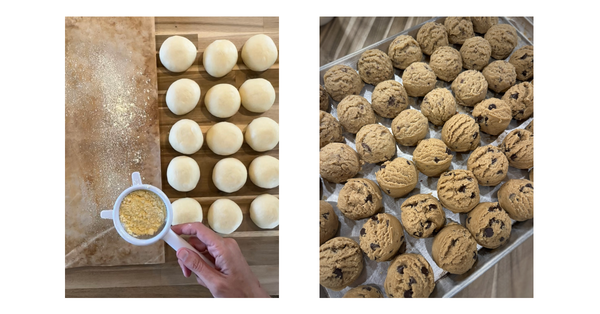
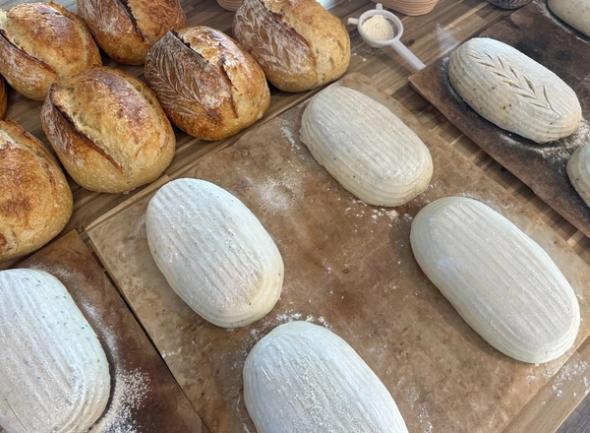
Handling larger batches means every step in your process needs to stay organized. Dividing, pre-shaping, and shaping more dough takes longer, and small delays can throw off fermentation timing. Managing your space, your schedule, and your dough becomes just as important as the baking itself when scaling up.
Plan ahead:
- Make sure you have enough time and space to divide, pre-shape, bench rest, and final shape without rushing or falling behind.
- Prepare in advance if working with multiple doughs, mixes, or types of bakes to avoid throwing off your bread timing.
- If your bake involves inclusions, plan on preparing them ahead of time so you can move through bulk fermentation without delays.
- Make sure your levain is ready when you planned, and that you understand how to build and scale it for larger batches.
Scaling successfully is not just about the dough itself; it is about setting up a workflow that keeps your batches moving smoothly from start to finish without falling behind.


Cold Retard Strategy
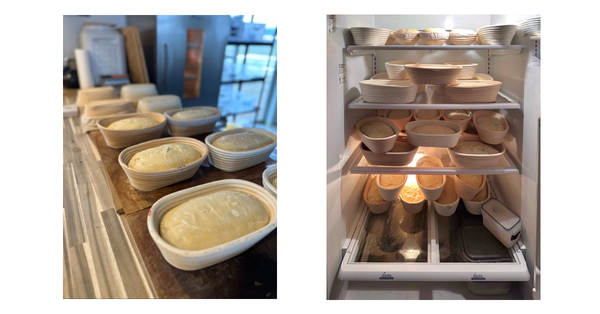
Cold retard can be a powerful tool when scaling up, but bigger batches introduce new challenges. Larger dough masses hold onto heat longer, so the dough cools slowly in the fridge, allowing fermentation to continue longer than intended. Limited fridge space can make cooling even slower. Managing cold retard carefully helps protect structure and flavor across all your loaves.
Important factors to manage:
- Bigger batches need more fridge space and take longer to cool fully.
- Staggering your loading can help maintain colder, steadier fridge temperatures.
- Cold temps slow fermentation but cannot fix an over-proofed dough.
- Steady fridge temperatures are critical for consistent fermentation during retard.
Scaling cold fermentation is not just about chilling dough. It’s about managing the timing and technique to match your batch size and goals. Whether you are retarding for flavor development, timing convenience, or workflow management, careful control over your cold retard strategy is key to maintaining quality as your batches grow.

When Your Home Oven Can't Keep Up with Scaling
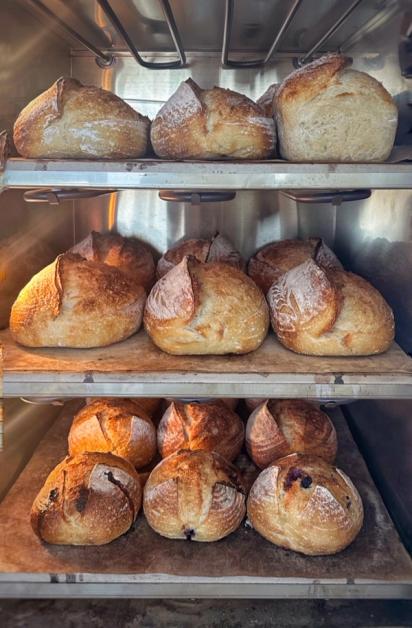
As you scale up your bread production, your oven setup becomes just as important as your dough handling. A standard home oven can usually bake around four loaves at once, but heat-up recovery time between bakes and limited space can create bottlenecks. Pushing your oven beyond its limits strains efficiency and affects consistency. If you are stretching your oven’s capacity, it may be time to rethink how your equipment fits into your long-term goals.
Things to know:
- Regular home ovens are usually built for family meals, not for baking multiple batches of artisan bread for hours and hours a day.
- A deck oven (like the Simply Bread oven) provides true batch baking power with steam injection, faster recovery times, and an overall more efficient bake. https://www.simply-bread.co/oven (https://www.simply-bread.co/oven)
- If you plan to keep scaling, investing in equipment that matches your production goals saves time, improves consistency, and protects quality.
Scaling up your dough is exciting, but scaling up your baking setup is what turns growth from stressful to sustainable. The right equipment gives you the control you need to keep quality high as you bake more loaves at once.

Conclusion
Scaling your bread production is a natural next step when passion and skill start to outgrow small batches. It is an exciting shift, but it demands more from your process, your planning, and your equipment. Growth does not mean sacrificing the quality you have worked so hard to build, it means learning how to support it in new ways.
By paying attention to fermentation changes, strengthening your dough early, organizing your workflow, and ensuring your equipment aligns with your goals, you can scale successfully without losing what makes your bread special. With the right adjustments and tools, you can confidently grow your production without compromising on quality.
Related stories

5 minutes
News
Hattie's Bread Box Bakery is on the Rise
Lauren Leone


10 minutes
News
Fig and Bean Bakery: Taking Gluten-free bread to new heights
Sam Stevens


2 minutes
News
Ensuring Safety and Quality: Simply Bread Ovens now shipping with NSF Certification
Simply Bread Co.

4
Recipes
Vegan Morning Buns Recipe
Lauren Leone / Lisa Allen


9
Baker tips
Branding Your Cottage Baking Business

5 minutes
Stories
Simply Bread Oven – Compact Commercial Grade Oven for Small Food Businesses
Liana Gailand


5 minutes
Recipes
Sonora Blueberry Lemon Babka with Karen Quinones
Karen Quinones

3 minutes
Recipes
Dark Pan Loaves | Simply Bread Recipe
The Simply Bread Team