Back

5 minutes
Baker tips
How to Manage Sourdough Fermentation in a Warm Kitchen
Alisha Fuller


Summer brings longer days, higher temperatures, and a very different fermentation pace. What worked reliably in cooler months can suddenly feel unpredictable. Dough proofs faster, gluten breaks down more easily, and the margin for error shrinks. For sourdough bakers, especially those in warm kitchens, at high elevation, or dealing with high humidity, adjusting your process becomes essential, not optional.
When the weather heats up, fermentation doesn’t just speed up, it behaves differently. Once dough temperatures rise above 80°F, fermentation accelerates dramatically, causing the dough’s structure to weaken faster and narrowing the window between perfectly proofed and overproofed. What was once a manageable rise now happens quickly and leaves little room for error.
There’s no single fix, but with a few smart adjustments and close observation, you can keep quality high without constantly fighting the dough.
In this article, I’ll walk through the practical shifts I make to keep dough on track during warm weather.
Why Fermentation Speeds Up in Summer
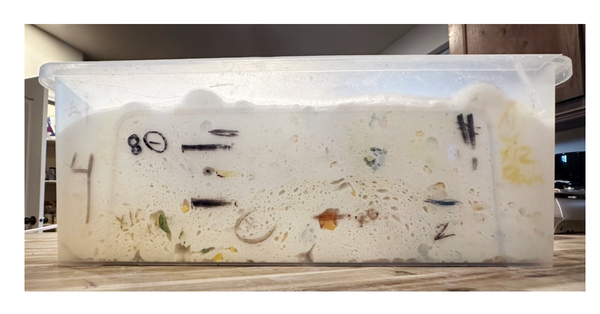
Warm temperatures accelerate microbial activity. Both wild yeast and lactic acid bacteria thrive in heat, which means fermentation moves faster across the board. Gluten may develop more quickly, but enzymes are also more active, breaking down dough structure sooner than expected.
Here are some important fermentation changes to be aware of during the summer months:
- Bulk fermentation moves faster: You may hit key volume milestones much sooner, so waiting for a “usual” timeline can lead to overproofing.
- Less tolerance in final proof: Warm dough proofs faster and can go from just right to over in a short window. Monitor rise and feel, not just time. Observe, adjust accordingly.
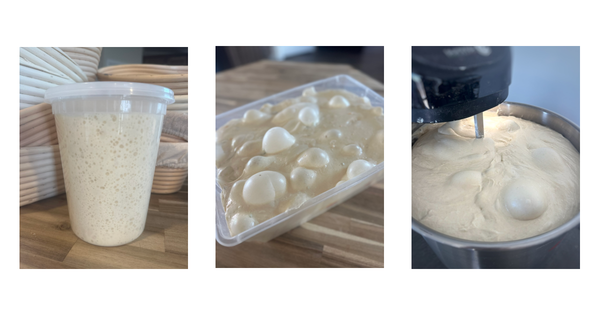
- Starter feedings may need adjustment: A warmer kitchen can push your starter past peak more quickly, so watch its behavior closely and adjust your feed ratio and schedule as needed.
- Reducing starter percentage in dough slows early fermentation: Using less starter in warmer conditions can stretch the timeline and make fermentation easier to manage. Be sure to adjust your recipe accordingly to maintain the same dough formula.

Temperature Tools to Keep Dough in Check
Managing fermentation in the heat starts with controlling dough temperature early, while staying ahead of it throughout the process. Whether you’re hand mixing or using a stand mixer, small steps can add up to meaningful control.
Start by focusing on your ingredients’ temperature and mixing environment. These early steps can make a big difference in slowing fermentation before it begins. As fermentation progresses, you can apply additional strategies to keep heat in check.
Practical ways to keep your dough cool from the start:
- Use fridge-cold water when mixing by hand: A chilled water base helps delay fermentation, especially when friction is low.
- Add ice directly into the bowl after mixing: When using a mixer, if the dough feels warm post-mix, tossing in a few ice cubes can lower the temp quickly before fermentation gains momentum.
- Chill your flour overnight: Especially in hot kitchens, pre-chilled flour helps control temperature during mixing.
- Weigh and chill your water ahead of time: Keeping mix water prepped in the fridge ensures consistency when time is tight.
Mid-process methods to manage heat:
- Use the freezer between folds: 15-30 minutes in the freezer between folds can bring the dough back into range on very hot days.
- Space out batch timing to avoid fridge overload: Spacing out your mixing and shaping schedule to allow longer gaps between batches prevents too many warm doughs from hitting the fridge simultaneously. This gives earlier batches time to cool properly, helping the fridge stay at a stable temperature and keeping fermentation consistent.
- Add freezer packs inside the fridge: For bakers whose fridges struggle in summer, cold packs can help hold temp steady.
- Consider shaping a little earlier if fermentation is fast: On hot days, a slightly earlier shape can help avoid overextending the bulk.

Timing Shifts That Help in the Heat
When dough moves fast, time becomes a tool. A few simple shifts in your schedule can keep fermentation in range and buy you flexibility during critical moments.
- Watch for early signs of progression: Loss of structure, sudden softness, or relaxed surface tension are signals it’s time to move.
- React quickly when fermentation accelerates: In warm weather, even small delays can push the dough too far. Staying responsive and moving a little faster helps avoid overproofing.
- How your start time impacts fermentation: The time you begin mixing dough can shape how the rest of your bake unfolds. Choosing to start earlier or later isn’t just about convenience, it directly affects how fermentation progresses.
- Start prep early in the day: Cooler morning temps can give you a longer buffer before fermentation accelerates. This is especially helpful if you want more time to mix, fold, and shape before things heat up.
- Delay mixing to shorten total fermentation time: Starting later in the day shortens how long your dough spends fermenting, especially in the fridge. If your cold storage tends to run warm or struggles to cool quickly, this strategy can help prevent overproofing by reducing time in those risky zones.

Final Thoughts
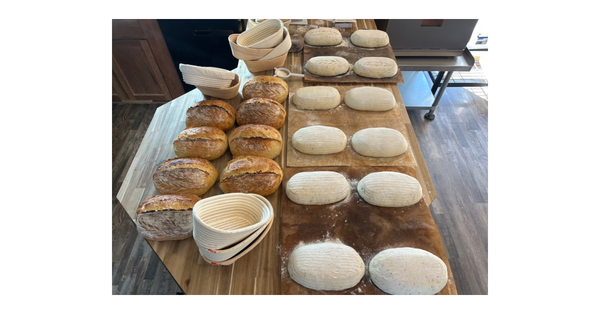
There’s an intimacy to warm-weather baking. Every kitchen is a little different, and what works one week might not work the next. We might not all have the same equipment, fridge, or freezer space. Getting consistent results isn’t about following strict rules, it’s about staying responsive to the dough in front of you. These adjustments aren’t about fixing something that’s broken, they’re about reading what your environment is asking for, and adapting with intention.
Pay close attention to your dough’s signals, track how your kitchen environment changes, and don’t be afraid to adjust your process. Flexibility is your best tool for success in warm-weather baking. Baking in a warm kitchen doesn’t have to feel like survival mode. With a few simple tools and a clear understanding of how fermentation shifts in heat, it becomes less about control and more about partnership.
Related stories





2 minutes
News
Ensuring Safety and Quality: Simply Bread Ovens now shipping with NSF Certification
Simply Bread Co.



9
Baker tips
Branding Your Cottage Baking Business

5 minutes
Stories
Simply Bread Oven – Compact Commercial Grade Oven for Small Food Businesses
Liana Gailand